
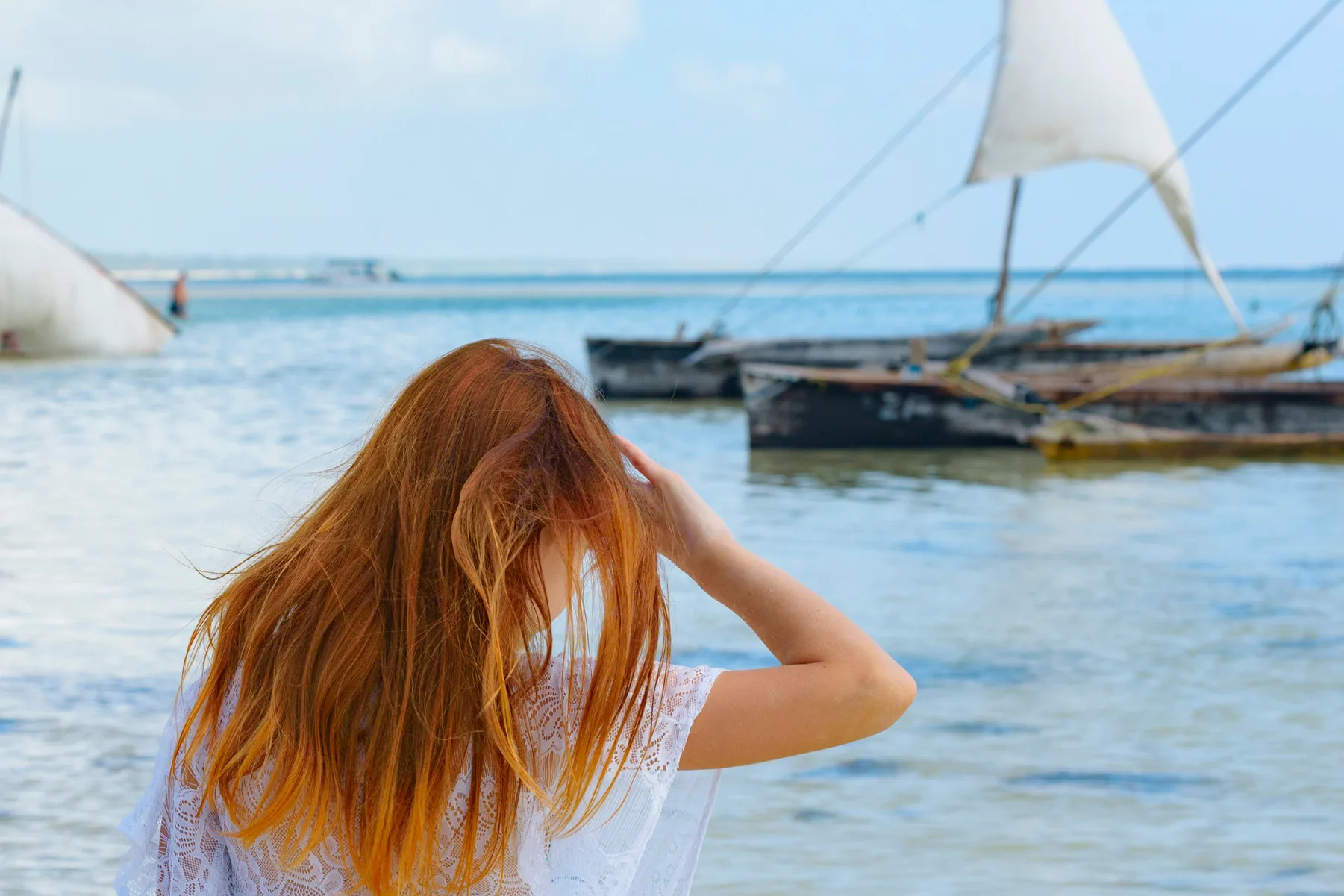
Tanzania · Zanzibar
Zanzibar. An island of culture, not only a beach.
A centuries-old Swahili trading island in the Indian Ocean — Stone Town, spice farms, a living coast and beaches that earn their place after the bush. Zanzibar is best understood as culture and island life first, and as rest second.
Why Zanzibar
A Swahili island, not a beach resort.
Zanzibar is a living island with a deep history — Omani, Persian, Indian and African trade layered into Stone Towns lanes and carved doors, and a spice and farming tradition that shaped the world. The beaches are real, but they are the resting point of an island with far more to it. We plan Zanzibar as culture and coast together, not only as an empty beach.
Stone Town
A living old town of carved doors and lanes.
Stone Town is a UNESCO World Heritage old quarter — a maze of lanes, carved doors, merchant houses, markets and mosques. It is best read with a local guide who can open the history without performance: the slave-trade memorial, the House of Wonders, the dhow harbour, the night market. We recommend a night or two here before the coast — it sets Zanzibar in context.
Swahili and Indian Ocean heritage
An island shaped by trade.
Zanzibar sat at the centre of Indian Ocean trade for centuries. Omani sultans, Persian and Indian merchants, African mainlanders and European traders all left layers — in the architecture, the food, the music and the faiths. That blend is the islands real character: a Swahili coast culture that is distinct from the mainland and impossible to separate from the sea.
Spice, coast and marine life
Three sides of the island.
Zanzibar holds more than its beaches.
Spice and farming
Cloves, nutmeg, cinnamon and more — spice farm visits explain the islands farming history and economy.
Beaches and coast
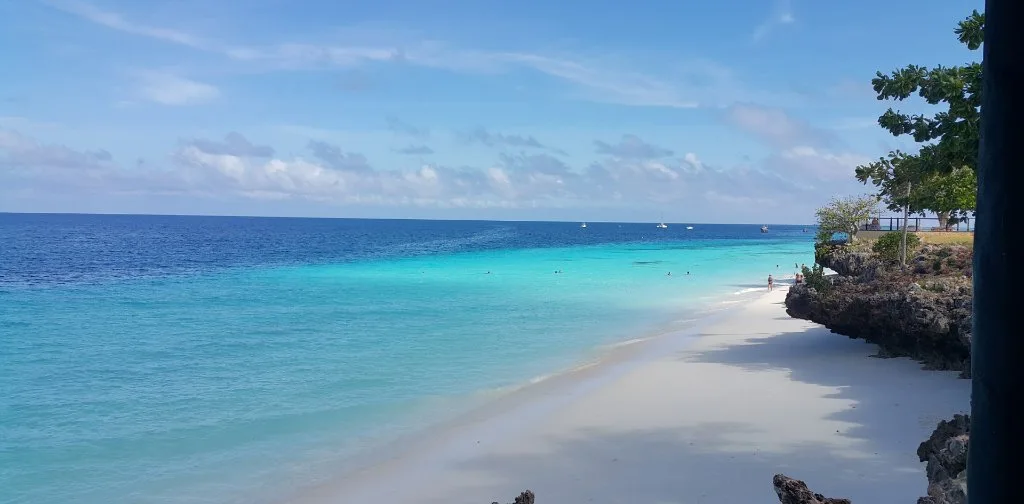
North and east coast beaches; quiet coves, tidal lagoons and island retreats for rest after safari.
Marine experiences
Snorkelling, diving and dhow trips — arranged with responsible operators and seasonal guidance.
Cultural etiquette
A predominantly Muslim island. We brief guests on dress and etiquette for respectful travel.
Rest, or activity
The difference between rest and high-activity coast.
Zanzibar can be reflective rest — a quiet retreat, a book, the tide — or a higher-activity coast of diving, dhow trips and exploration. They are different trips. We help you choose which Zanzibar you want: a few restful nights after an active safari, or an island exploration that stands on its own. The two are not the same, and the planning is not the same.
When to travel
Two monsoon windows shape the island.
Indicative — weather varies.
June to October
Dry and cooler
The most popular months: dry, breezy and good for both coast and Stone Town.
December to February
Hot and dry
Warmer, calmer and clear; a second reliable window.
March to May
Long rains
The main rains; many coastal lodges close and sea conditions change.
November
Short rains
A mixed month with showers; quieter and lower cost.
Marine experiences depend on sea conditions and season; we do not guarantee specific marine encounters. Cultural visits are arranged through respectful, community-aware operators.
Bush and beach
Zanzibar finishes the Tanzania journey.
Zanzibar is the natural finish to a Tanzania safari — bush then beach, the great contrast of the trip. It also combines with the south, reached from Dar es Salaam. We sequence the days honestly so the coast is rest after the effort of safari or the mountain, not a rushed add-on.
Explore Zanzibar and Coast ↗Plan with us
Tell us which Zanzibar you want.
Stone Town first, the coast after — or a single restful retreat. Rest or activity. Share your dates and we will shape a Zanzibar that fits the journey before it.
A sense of place
Take a moment. Look closer.
Continue your journey
There is more to discover.
 ↗
Tanzania
Southern Tanzania
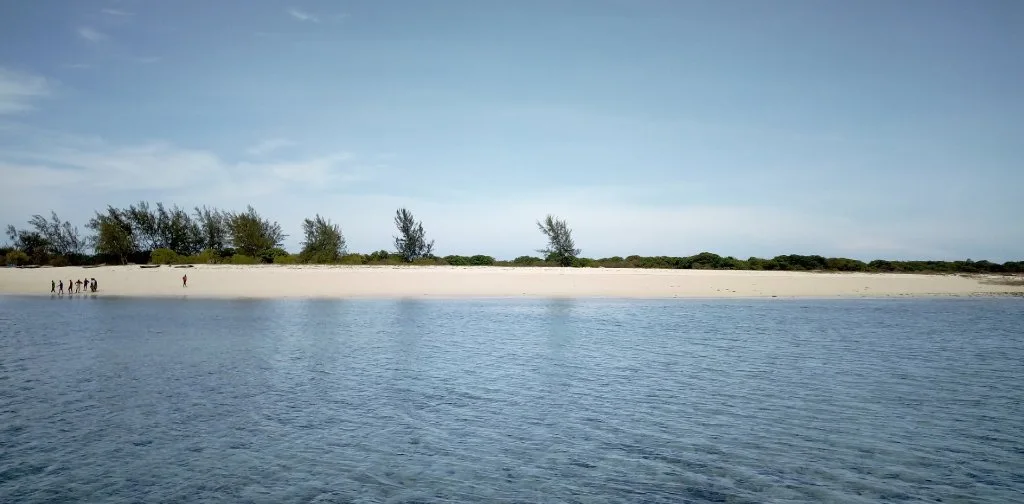
The south holds Tanzanias largest and least-visited protected areas — Ruahas dry, dramatic interior and Nyereres waterways and woodland. Farther from the northern crowds, with longer logisti…
 ↗
Tanzania
Kilimanjaro
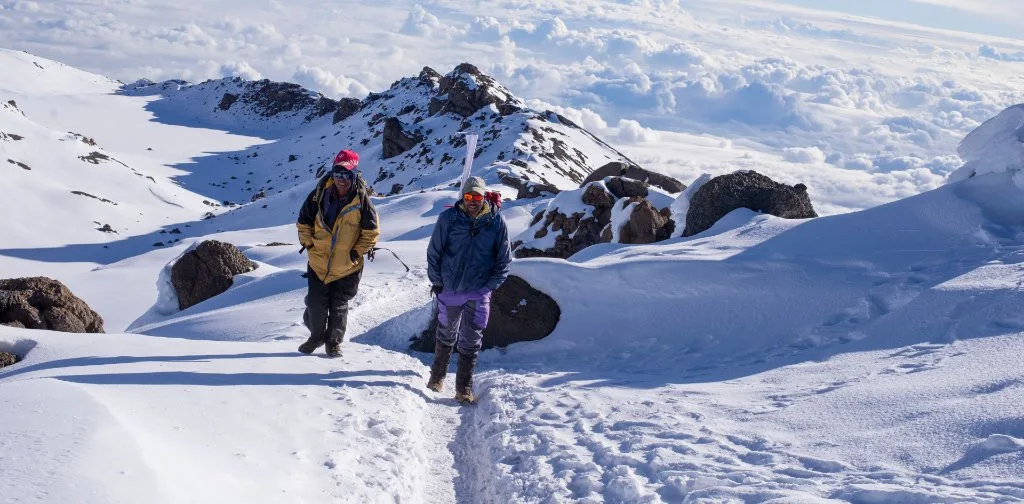
Africas highest mountain rises from the plains to a glaciated peak — a destination in its own right, with distinct ecological zones, a region of towns and slopes around it, and the possibili…
 ↗
Journeys
Zanzibar And Coast
Stone Town’s carved doors, the spice island’s scent, white sand and the Indian Ocean — the calm that balances a safari, and a journey in its own right.