
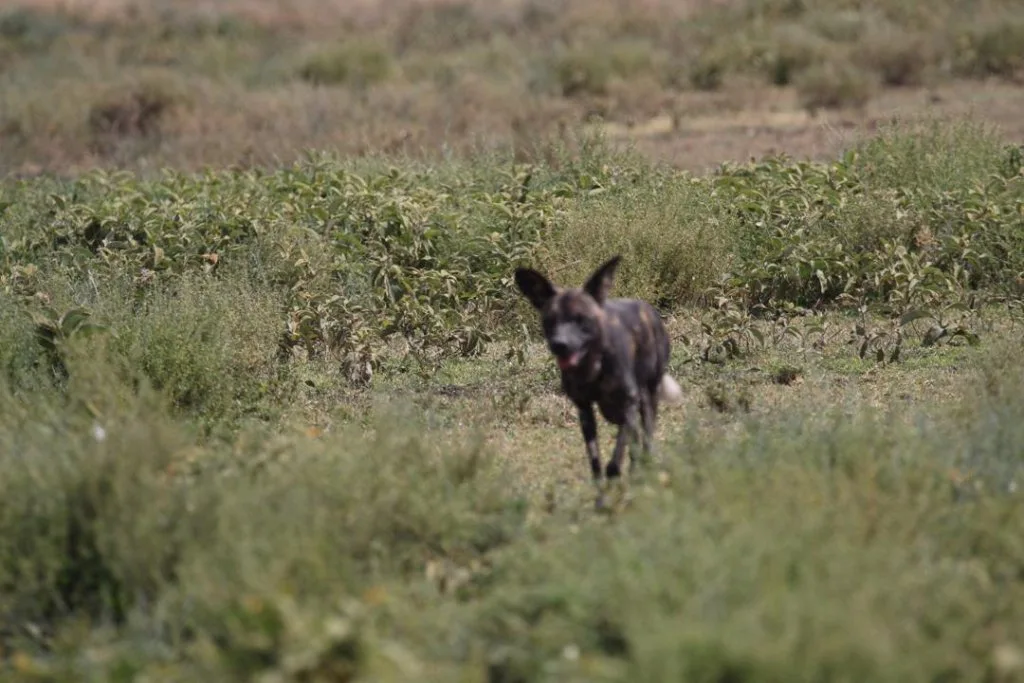
Tanzania · Ruaha and Nyerere
Southern Tanzania. Two wilder, quieter landscapes.
The south holds Tanzanias largest and least-visited protected areas — Ruahas dry, dramatic interior and Nyereres waterways and woodland. Farther from the northern crowds, with longer logistics and a lower-density journey character, the south rewards travellers who want wilder country and are willing to travel for it.
Why the south
Wilder country, reached by those who travel for it.
Southern Tanzania is not the north with fewer crowds — it is a different landscape, a different rhythm and a different kind of journey. Ruaha and Nyerere are the two anchor parks. Both need a little more time to reach and reward a longer stay once there. We do not claim exclusivity; we promise a deliberately lower-density journey, honest logistics and a wilder feel.
Ruaha
Dry country, big rivers, wilder character.
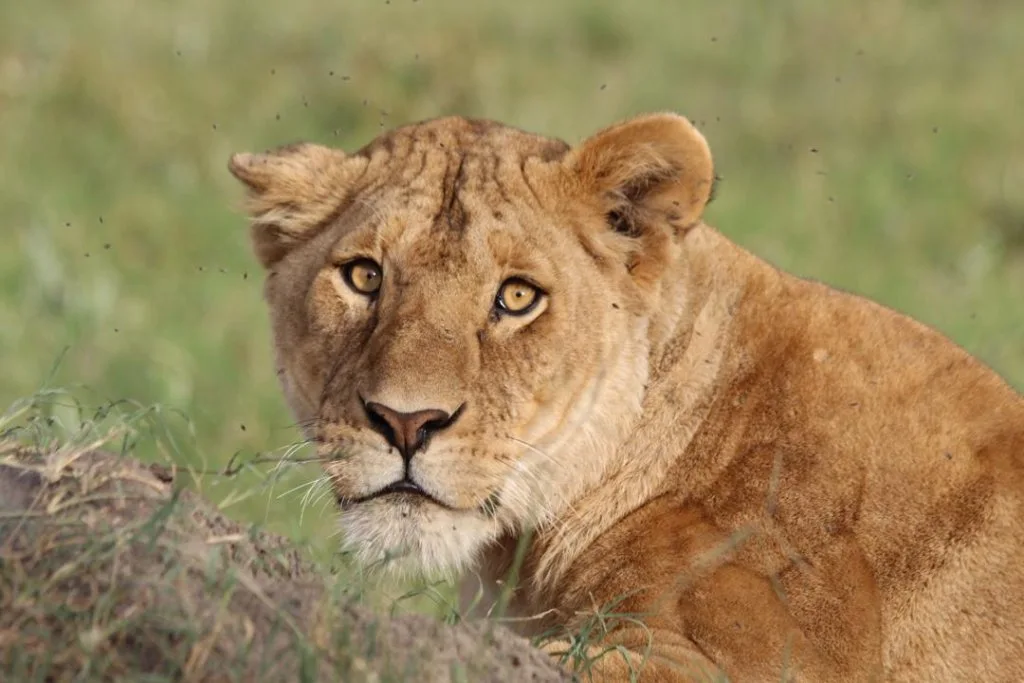
Ruaha is Tanzanias largest national park — a dry, baobab-studded landscape cut by the Great Ruaha River. Lion, elephant, buffalo and wild dog are all present, read across a vast, dramatic landscape. Game drives are the core activity; the scale and the dry-country light give Ruaha a character unlike anywhere in the north.
Nyerere
Waterways, woodland and broader safari.
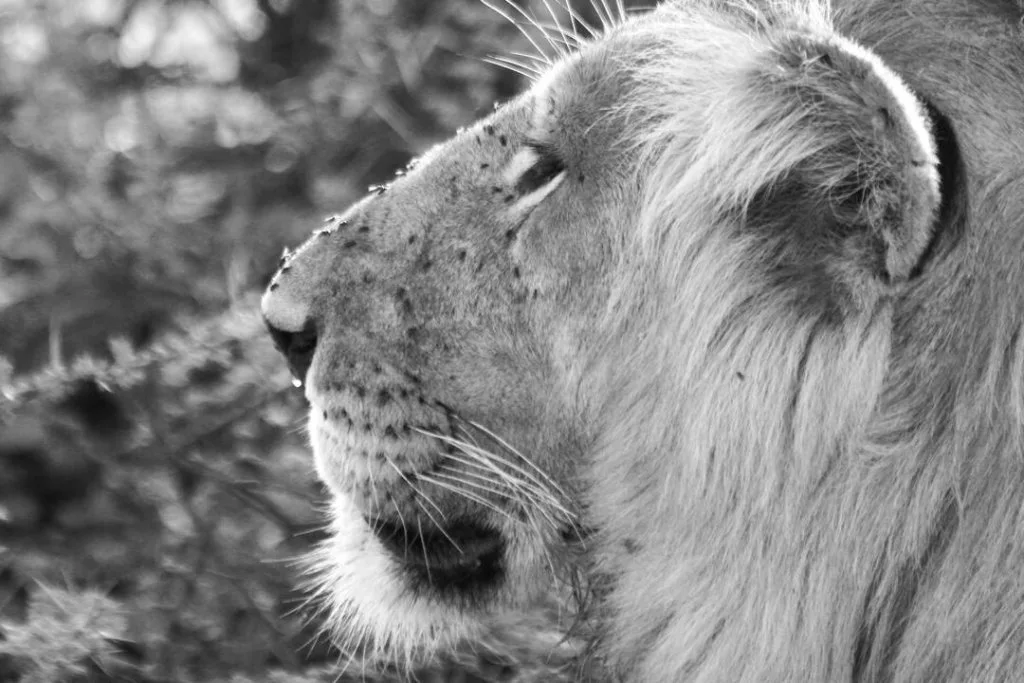
Nyerere National Park (formerly the northern, protected part of the Selous) is defined by water — the Rufiji River, lakes and channels run through miombo woodland. Boat safaris alongside game drives open a different perspective on a safari: hippo, crocodile, elephant and birdlife from the water, then the woodland by vehicle. We use the current park name accurately; Nyerere is the protected national park, distinct from the wider former Selous reserve.
Logistics and journey character
Longer to reach. Worth staying in.
The south asks for a little more — and gives a different journey.
Longer logistics
Fly-in access from Dar es Salaam or Zanzibar; the south is not a quick add-on.
Lower density
Far fewer vehicles than the north — a quieter feel without claiming exclusivity.
Boat and walking
Boat safaris in Nyerere; guided walks where legitimately available and permitted.
Longer stays
We recommend longer stays — three nights minimum — to justify the travel and settle into the country.
When to travel
The south has a shorter window.
Dry months are the core season; some camps close in the rains.
June to October
Dry season
The core season: wildlife concentrates along the rivers, access is reliable and camps are open.
November to March
Green shoulder
Lush, green and quiet; some camps open, fewer visitors and dramatic country.
April to May
Long rains
Many camps close; access is difficult. We plan around this.
Game drives, boat safaris and walking activities are arranged where legitimately available and permitted; activity availability can change with conditions.
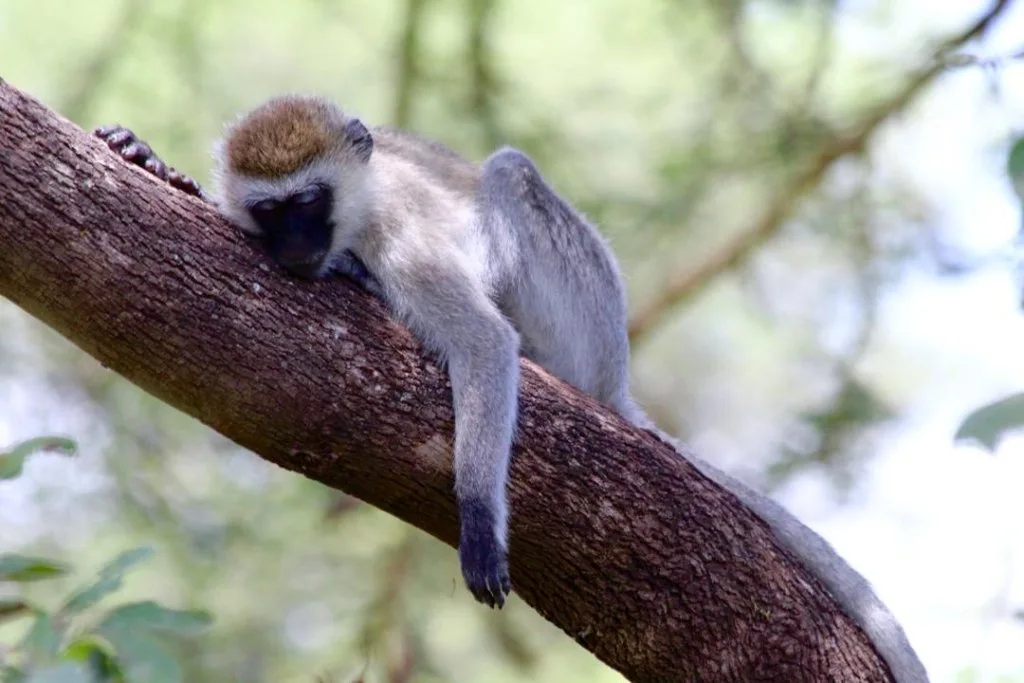
The south connects through Dar and the coast.
Southern Tanzania is reached through Dar es Salaam, and combines naturally with Zanzibar — fly from the bush direct to the coast for a bush-and-beach finish. The south turns the classic Tanzania journey inside out: wild country first, the ocean after.
Pair with Zanzibar ↗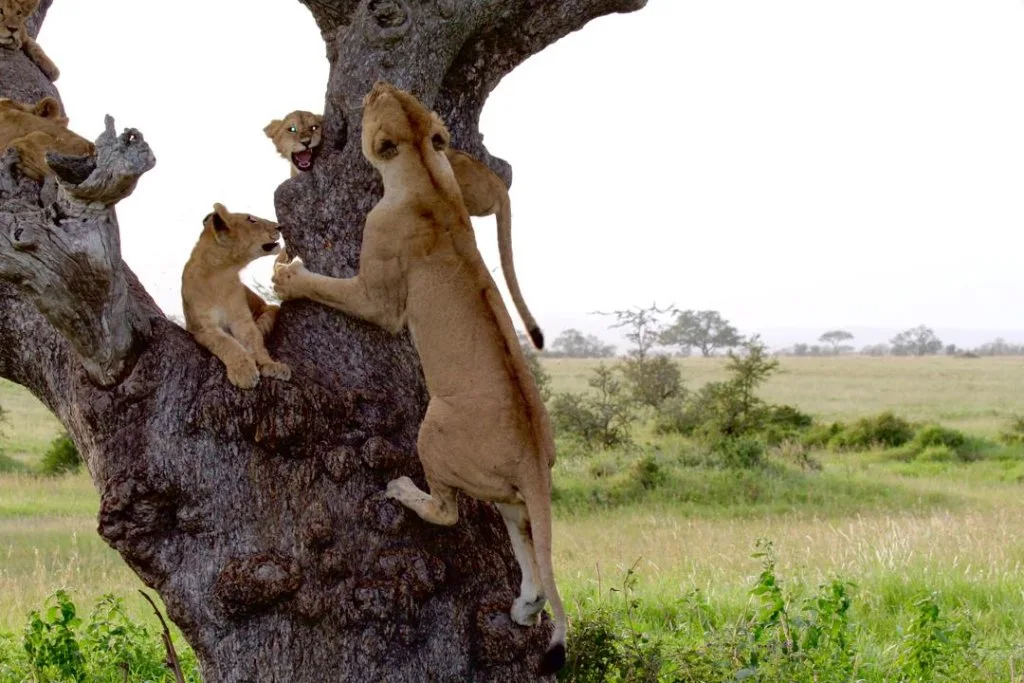
Begin
The wilder half of Tanzania.
Tell us your dates and we will build a southern journey around Ruaha and Nyerere — and connect it to Dar or the coast.
Continue your journey
There is more to discover.
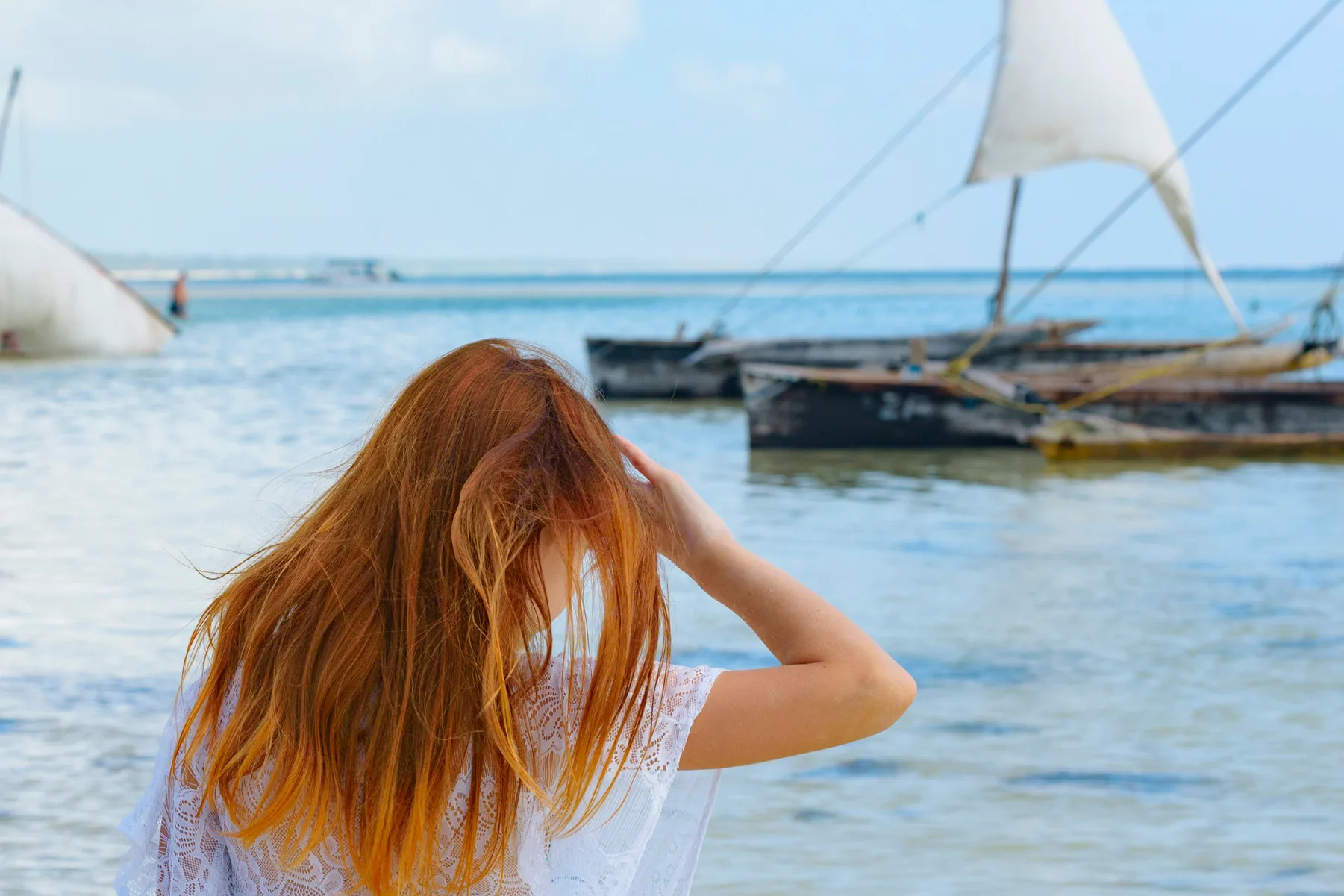 ↗
Tanzania
Zanzibar
A centuries-old Swahili trading island in the Indian Ocean — Stone Town, spice farms, a living coast and beaches that earn their place after the bush. Zanzibar is best understood as culture …
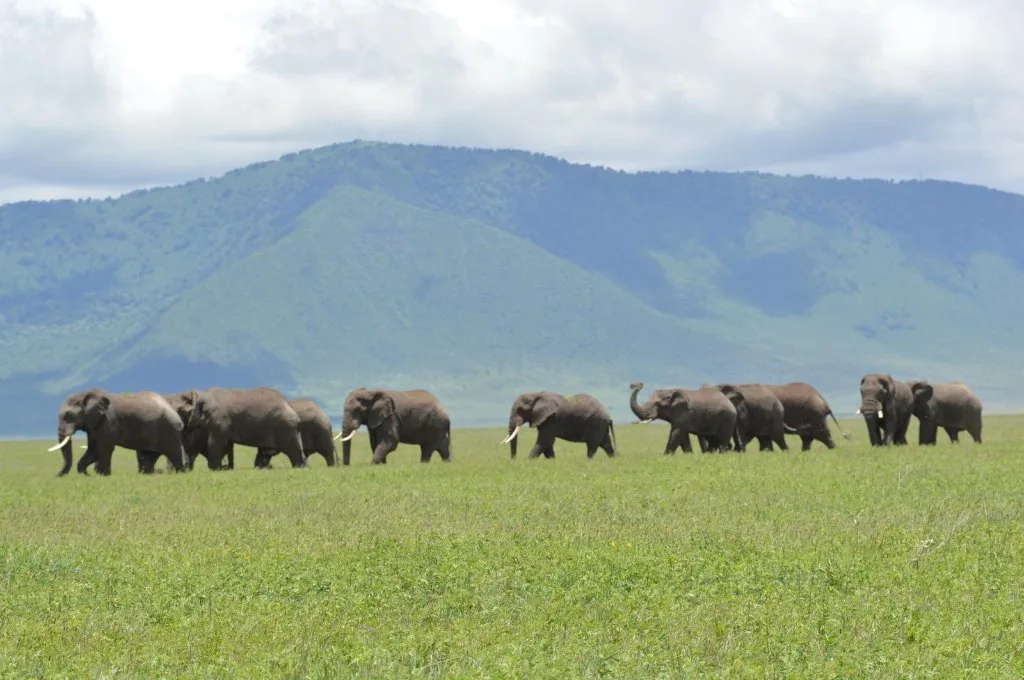 ↗
Tanzania
Serengeti
An ecosystem of nearly 15,000 square kilometres of protected plains, woodland and riverine forest — resident wildlife year-round, the movement of the herds, and a landscape that rewards time…
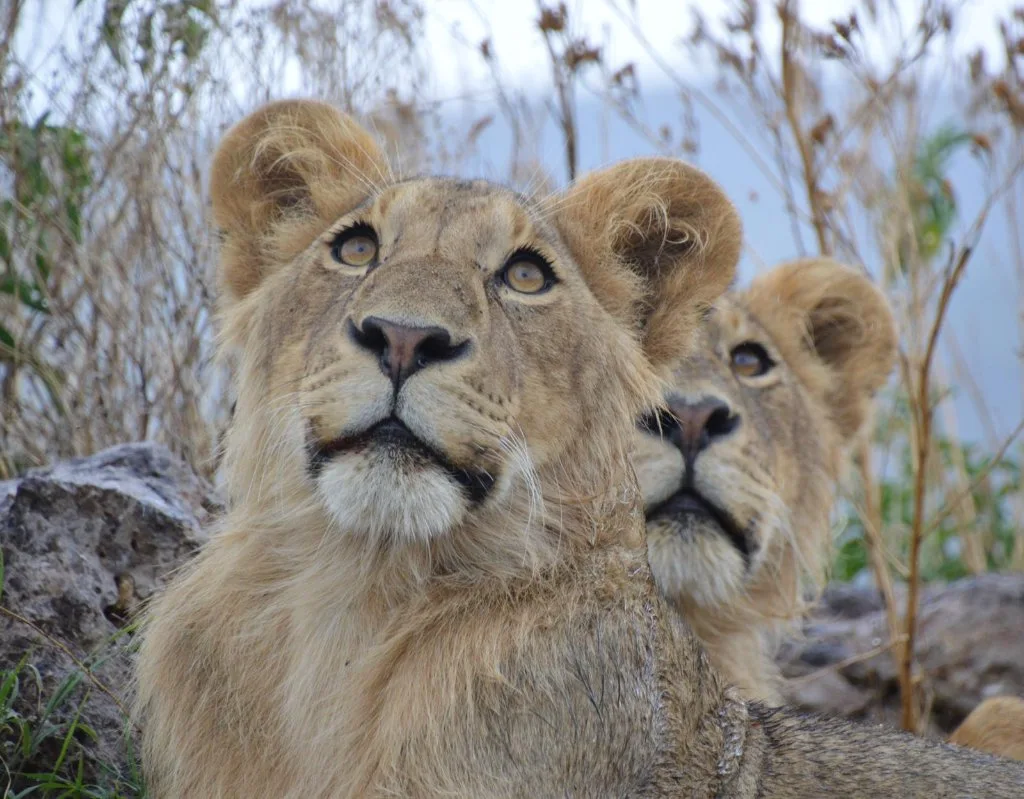 ↗
Journeys
Safari Experiences
Wildlife journeys across Tanzania, Kenya, Uganda and Rwanda — built around your pace, your season and the moments you are hoping for, never a fixed package.