
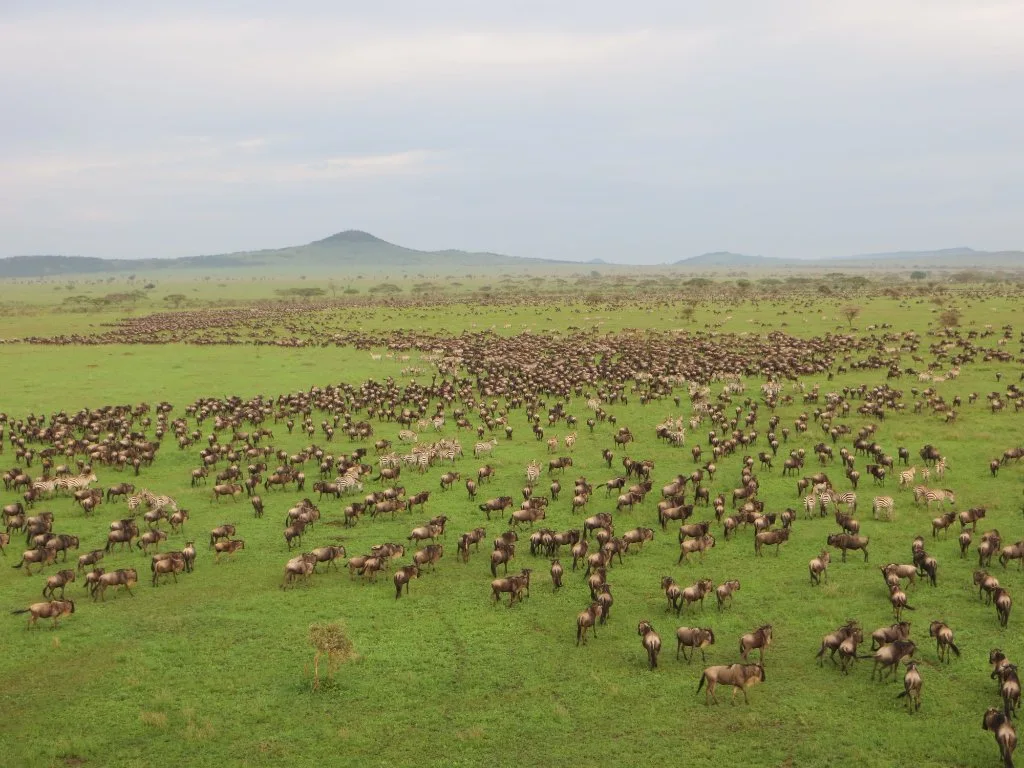
Tanzania · Serengeti National Park
The Serengeti. A place that explains itself, slowly.
An ecosystem of nearly 15,000 square kilometres of protected plains, woodland and riverine forest — resident wildlife year-round, the movement of the herds, and a landscape that rewards time over speed.
Why the Serengeti
The plains are not one place. They are four.
The Serengeti is often spoken of as a single destination. In practice it is a vast ecosystem whose character changes across north, centre, west and south — and again across the seasons. Reading it well means choosing where to be, when, and for how long. Resident wildlife is here all year; the migration moves through. We position you to meet both, away from the densest vehicle clusters.
Geographic orientation
Four regions, one ecosystem.
Each area has its own character, wildlife and best season.
Southern Serengeti
Short-grass plains around Ndutu — calving ground, green season, open and luminous.
Western corridor
The Grumeti River and woodland — western migration movement, river crossings possible.
Northern Serengeti
The Mara River and Lamai — the most dramatic crossings, when the herds are here.
Central Serengeti
Seronera and the Moru kopjes — resident cats and reliable year-round game.
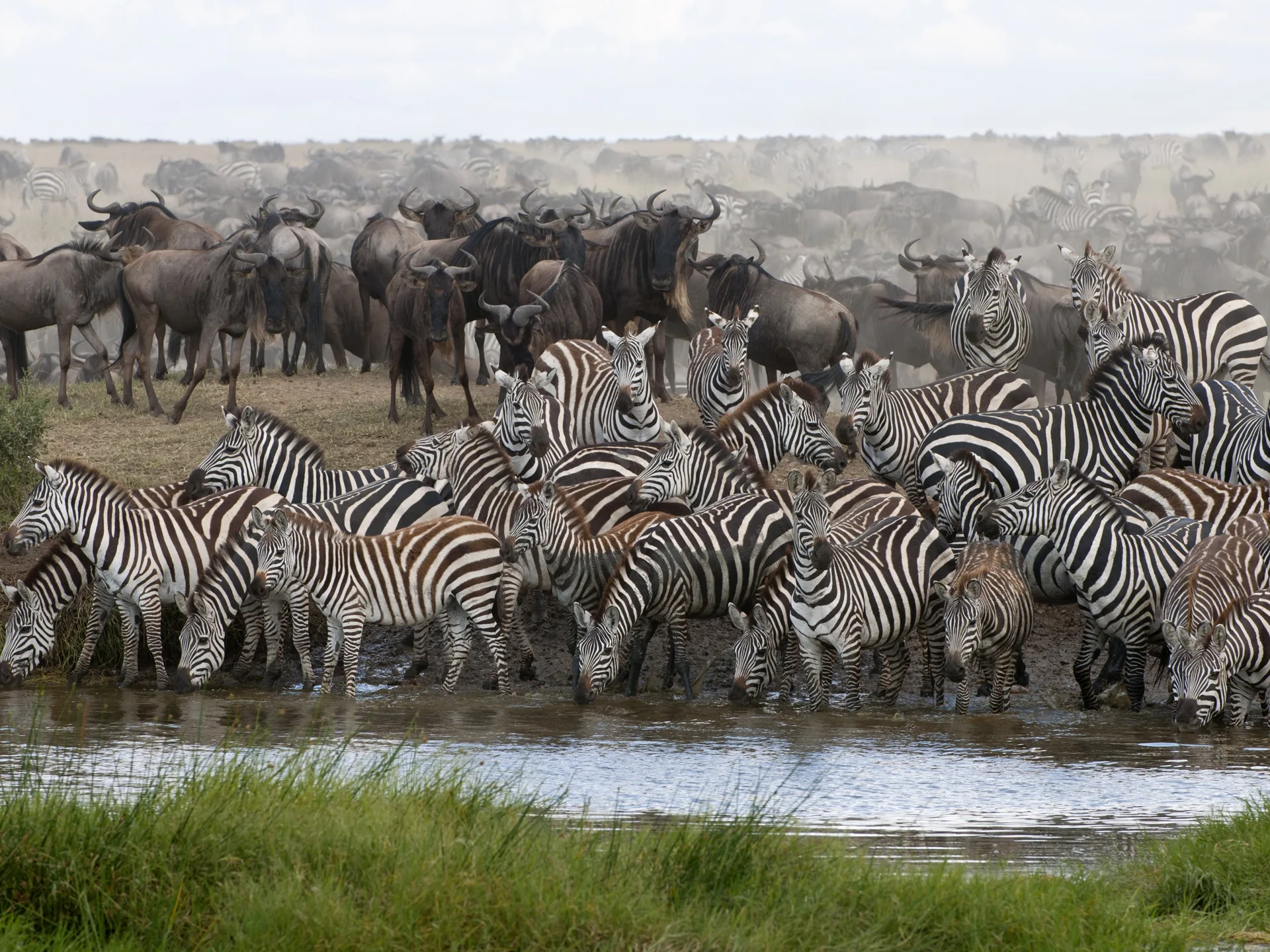
Resident wildlife
Even without the migration, the Serengeti is full.
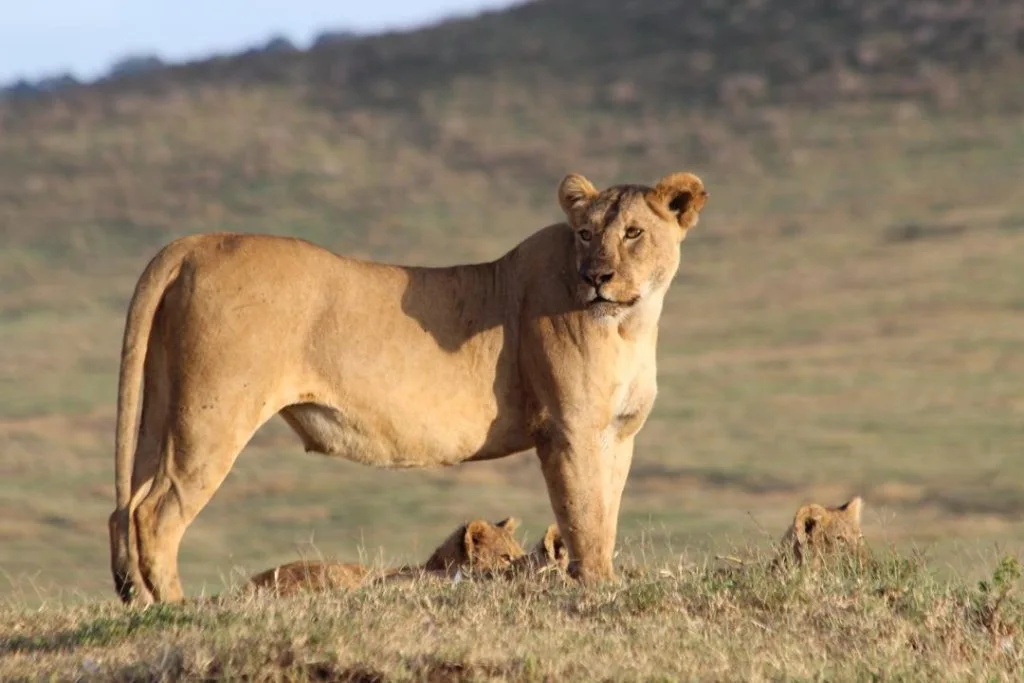
Lion prides hold territory across the plains and kopjes. Leopards favour the riverine forest and the acacia edges. Cheetahs work the open short-grass. Resident herbivores — zebra, gazelle, topi, giraffe, buffalo — stay through every season. The migration is the headline, but the Serengeti is not dependent on it. A journey here holds whenever you come; what changes is which part shines.
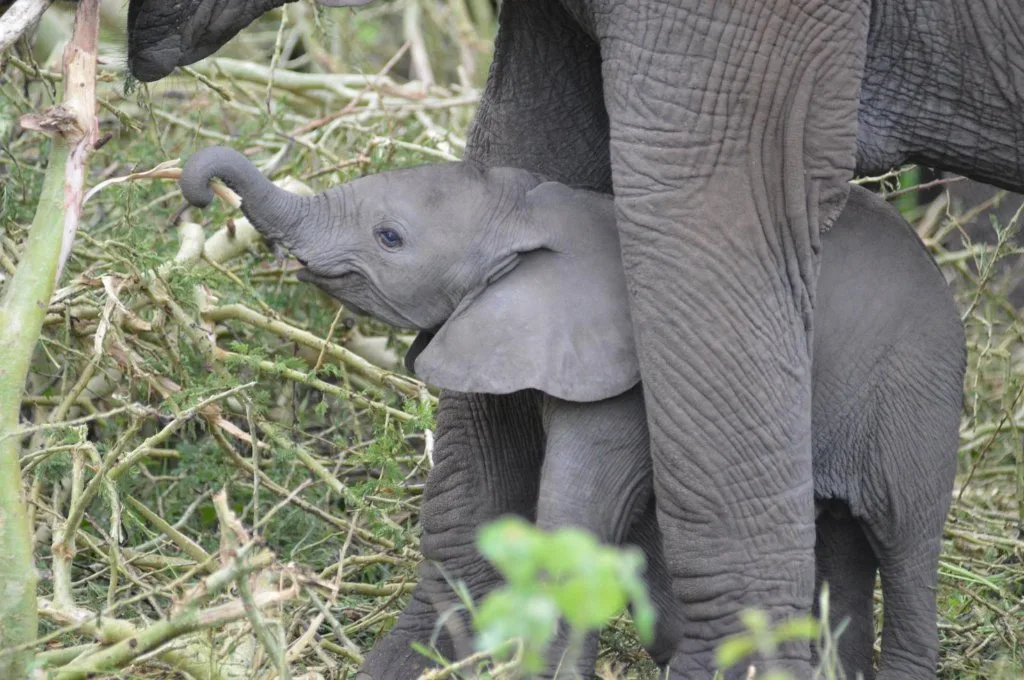
Camp, time and pace
Where you stay changes what you see.
A single camp for a week reads the Serengeti differently than three camps in three nights. Mobile camps move with the herds; seasonal camps anchor a region. We match camp position to the month, build in time to sit with a sighting rather than chase the next, and keep drive lengths honest. Pace is the difference between a checklist and an understanding.
When to travel
The season decides which Serengeti you meet.
Indicative periods — rainfall shifts them. We plan around current forecasts.
January to March
Calving and green season
Southern plains, wildebeest calving, lush landscapes and fewer vehicles — subject to the rains.
April to May
Long rains
Low visitor numbers, dramatic light and green country; some camps close.
June to October
Dry season and crossings
Northern and western corridors; river crossings possible but never scheduled or guaranteed.
November to December
Short rains and renewal
Plains green again, lower visitor numbers, resident wildlife reliable.
Seasonal notes are indicative and depend on rainfall and conditions. River crossings are never scheduled or guaranteed; we plan around current forecasts, not a fixed calendar.
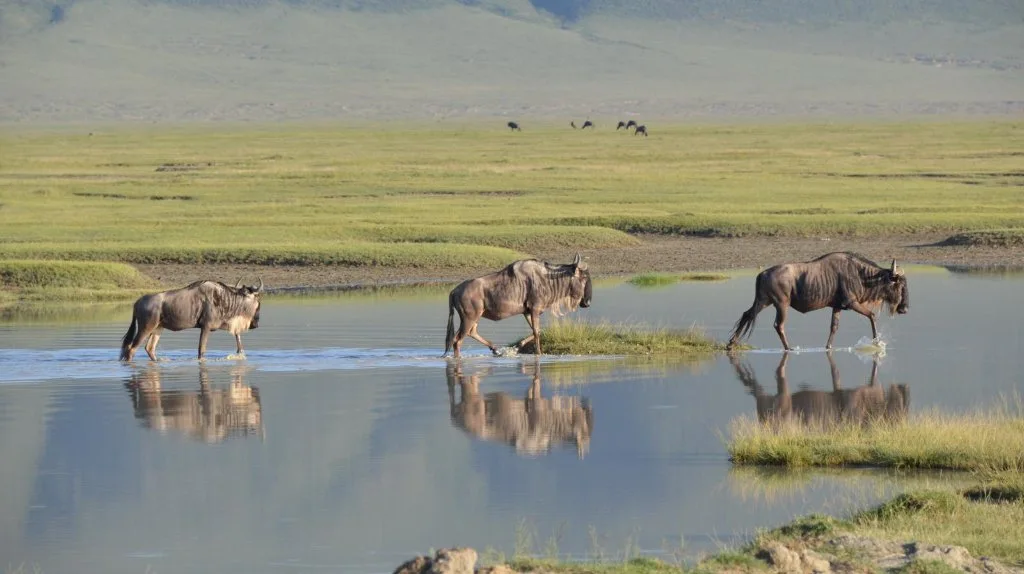
Realistic expectations, respectful vehicles.
Encounters are possible, but never guaranteed. We keep vehicle numbers respectful at sightings, avoid crowding cats and give wildlife the right of way. The Serengeti is at its best read slowly, by a guide who knows which sighting to stay with.
Pair with Ngorongoro ↗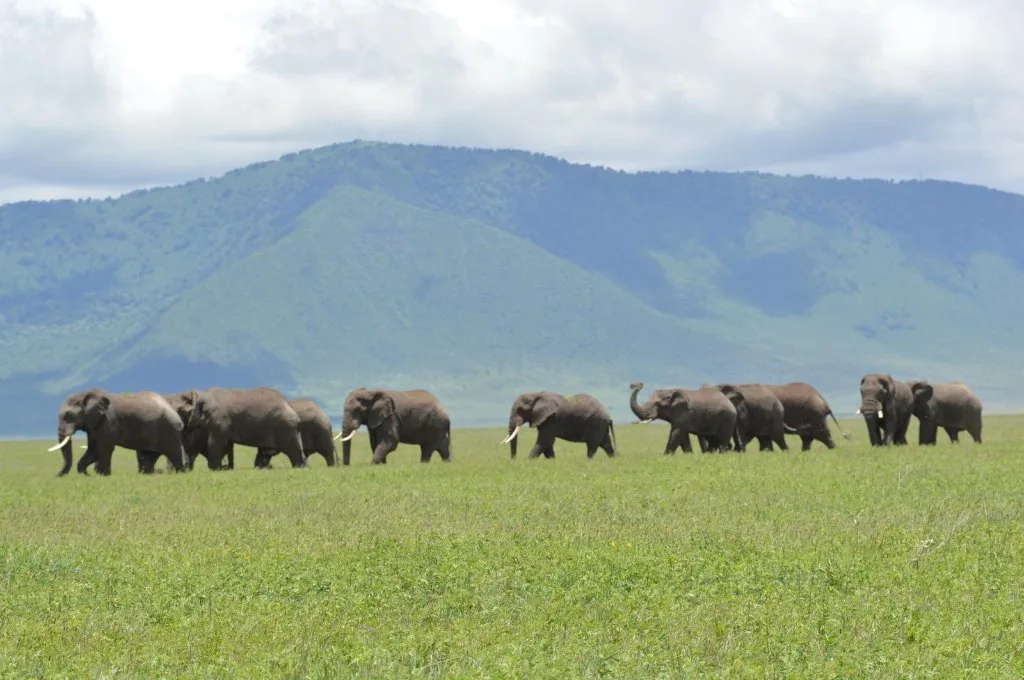
Begin
The plains, read slowly.
Tell us when you can travel and we will place you in the right part of the Serengeti for that month — resident wildlife, the migration, or both.
Continue your journey
There is more to discover.
 ↗
Tanzania
Ngorongoro
A collapsed volcano, a crater floor of open plains and a highland landscape of forest and peaks above — one of Africas densest concentrations of wildlife, set inside a protected area where p…
 ↗
Tanzania
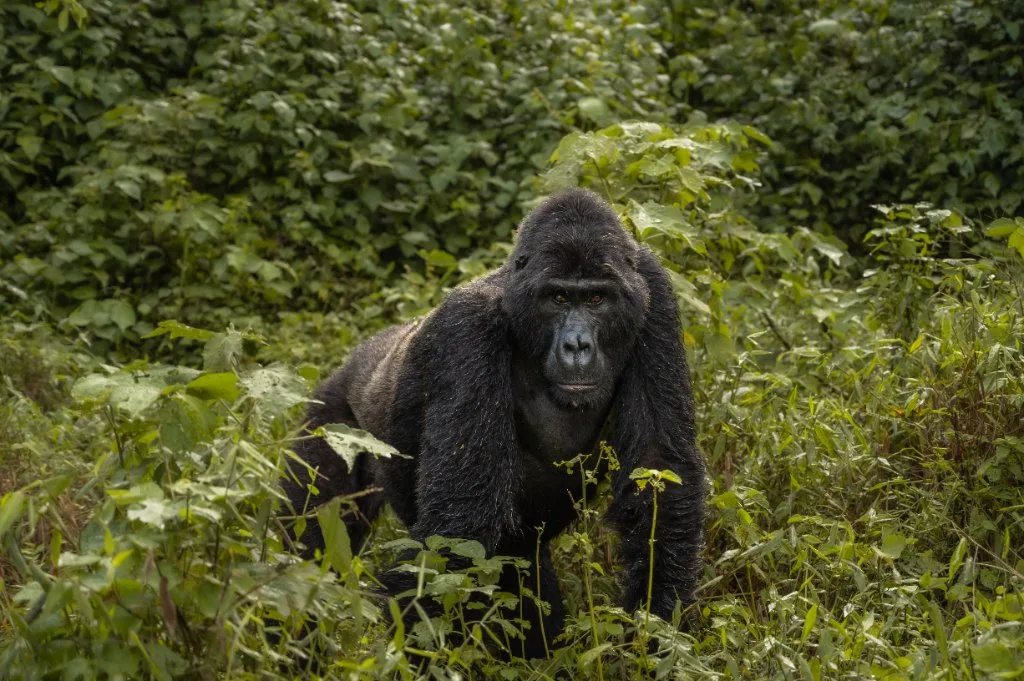
Tarangire
A park of ancient baobabs and a permanent river that draws wildlife in the dry months — Tarangire has a slower, more atmospheric character than the Serengeti, and some of the best elephant v…
 ↗
Tanzania
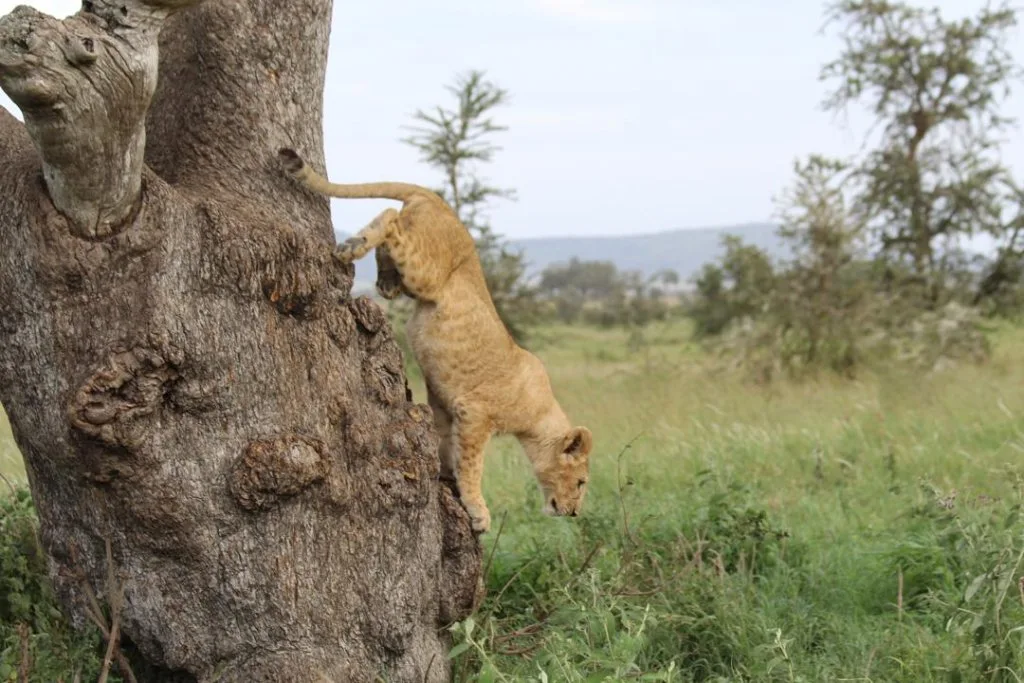
Lake Manyara
Set between the Rift Valley escarpment and a shallow soda lake, Manyara packs groundwater forest, woodland, floodplain and lake into a compact park — a shorter, more intimate safari that pai…