
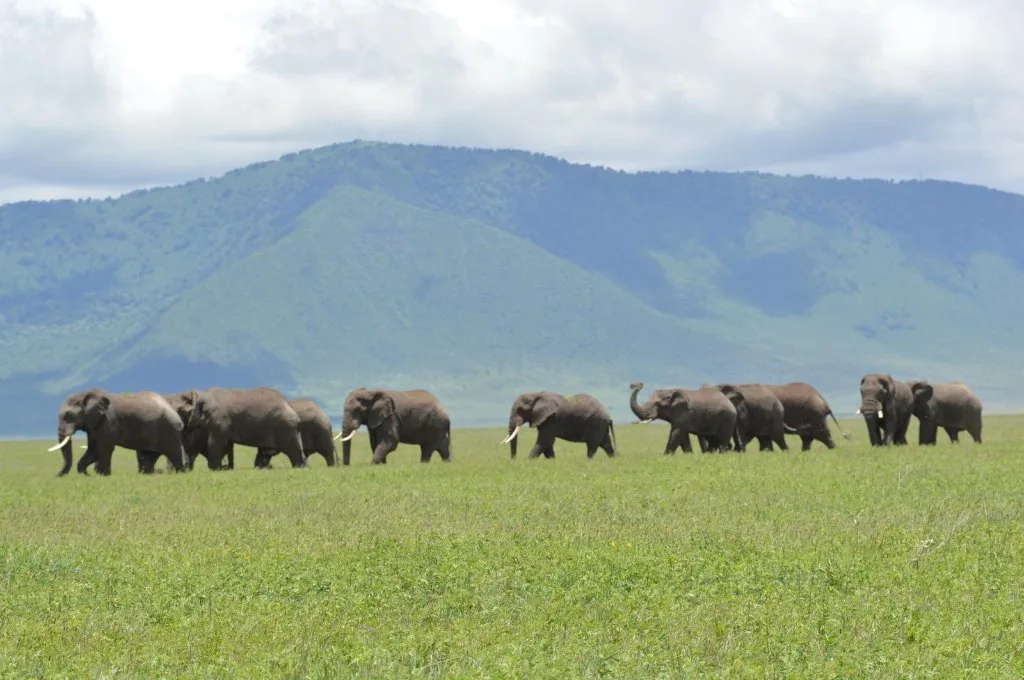
Tanzania · Ngorongoro Conservation Area
Ngorongoro. A caldera that holds a world.
A collapsed volcano, a crater floor of open plains and a highland landscape of forest and peaks above — one of Africas densest concentrations of wildlife, set inside a protected area where people, livestock and wildlife still share the land.
Why Ngorongoro
It is not only the crater. It is a highland landscape.
Most visitors come for the crater floor — a single-drive concentration of wildlife that is genuinely extraordinary. But Ngorongoro is also the highlands: forested slopes, volcanic peaks and Maasai pastoral land that surrounds the caldera. The deeper journey spends a day on the floor and a second day reading the highlands — geology, community and a landscape that earns more than a viewpoint stop.
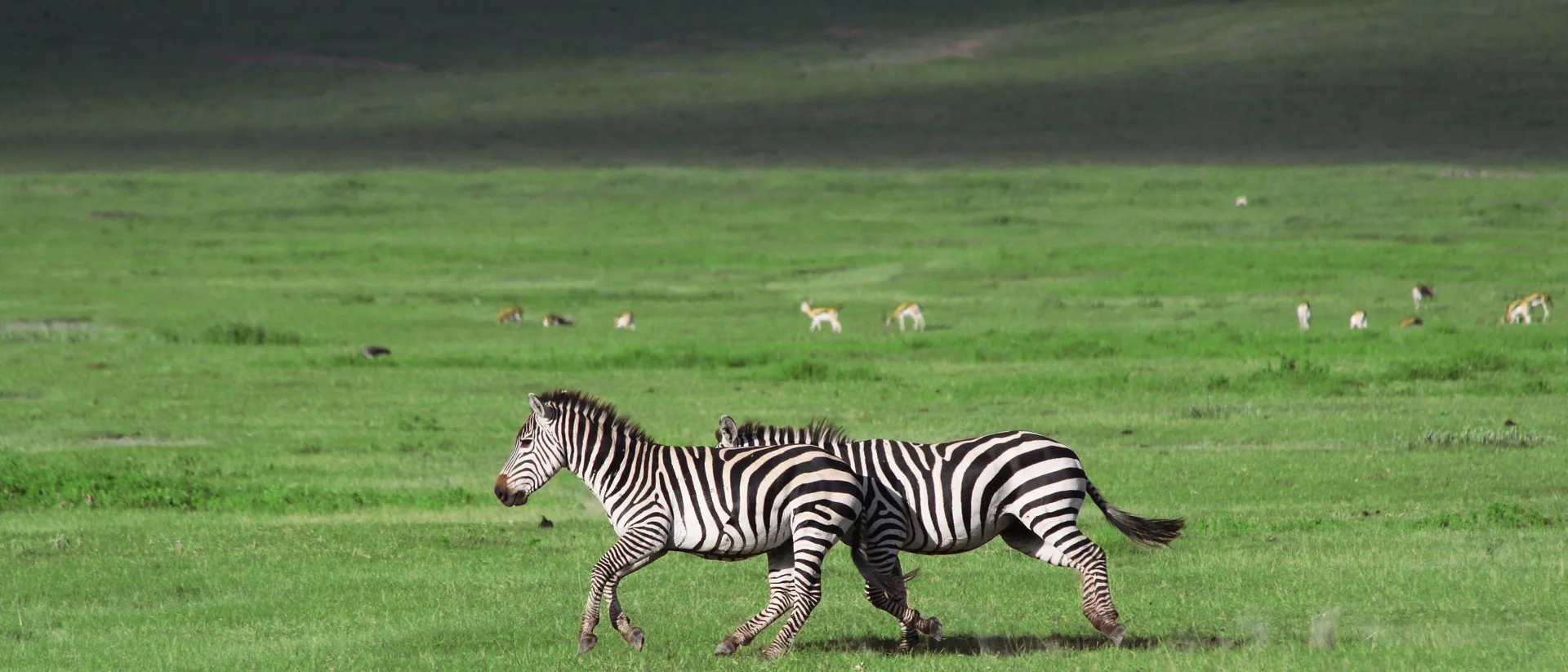
The crater floor
A natural amphitheatre, dense with life.
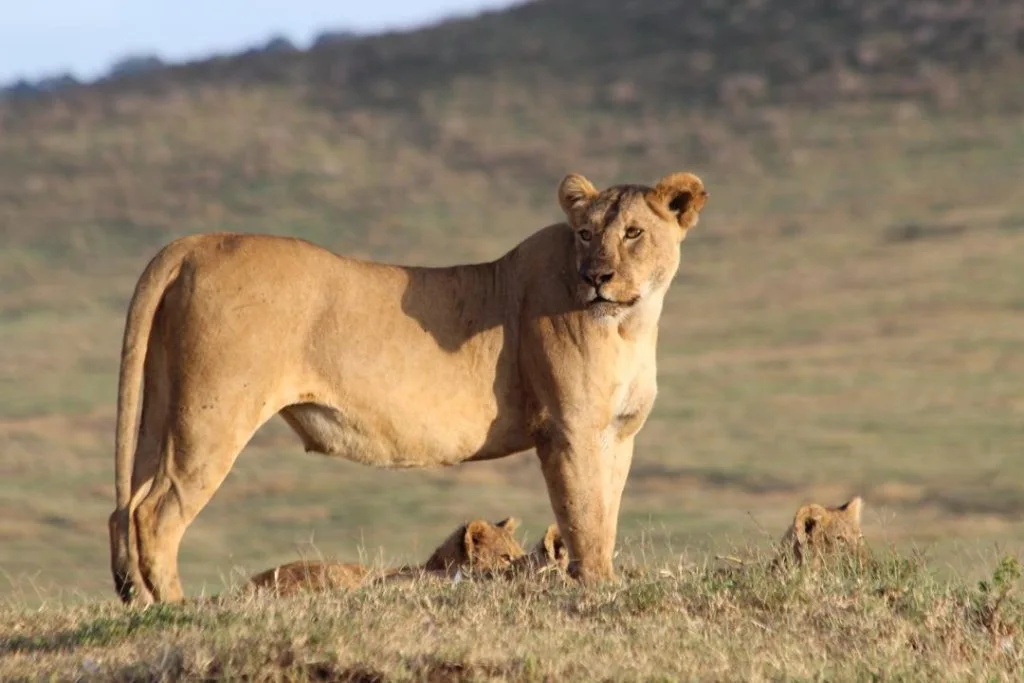
The floor holds lion, elephant, buffalo, hippo, and a credible chance of rhino — one of the few places in Tanzania where all are possible in a single morning. Sightings are never guaranteed, but the density makes them likely. We descend early, before the vehicle numbers build, and give the floor the time it deserves rather than racing it in a half-day.
The highlands
Forest, peaks and the land above the caldera.
Above the crater, the Ngorongoro Highlands rise into montane forest, olmoti and empakaai craters, and the open Maasai grazing land of the conservation area. It is cooler, greener and far quieter than the floor. Walking here with a ranger and a Maasai guide is one of the most underrated experiences in northern Tanzania.
Conservation and land use
Wildlife and people, on the same land.
Ngorongoro is a mixed-use conservation area — not a national park. That distinction matters.
Mixed land use
Maasai pastoralists live within the conservation area; livestock and wildlife share the landscape under agreed rules.
A long human history
Olduvai Gorge, on the approach, is one of the most important early-human fossil sites in the world.
Conservation funding
Visitor conservation fees route back into the ecosystem and the communities who share it.
Respectful community visits
We arrange Maasai boma visits only through community-approved, benefit-sharing arrangements.
When to travel
The crater is year-round. The highlands have a mood.
The floor rewards any month; the highlands change character with the rains.
June to October
Dry and clear
Cool mornings on the floor, clear highland views, the most popular months.
November to December
Short rains
The highlands green and mist; fewer vehicles on the floor.
January to March
Warm and dry
Pleasant floor conditions and good highland walking.
April to May
Long rains
Lush and quiet; some lodges close and tracks soften.
Seasonal notes are indicative. The crater floor is accessible year-round, though conditions change with the rains.
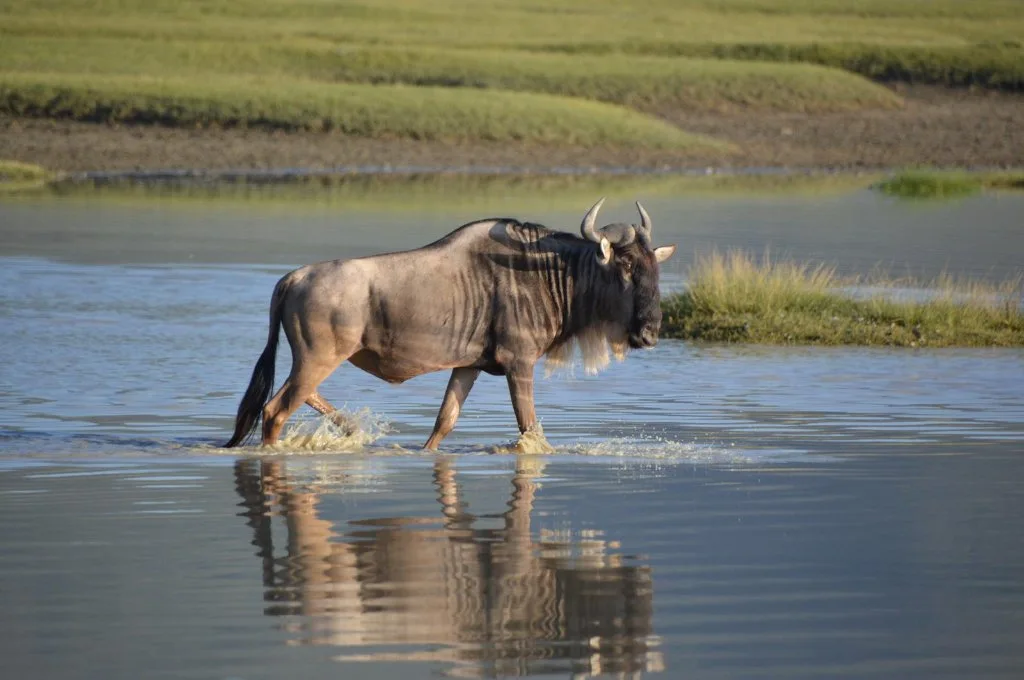
Ngorongoro pairs with the whole northern circuit.
Ngorongoro sits between the Serengeti, Tarangire and Lake Manyara — a natural anchor for a northern circuit. A typical journey pairs two nights here with the Serengeti, or weaves all four parks into one unhurried loop. We sequence it so the crater descent lands on the quietest morning of your trip.
Pair with the Serengeti ↗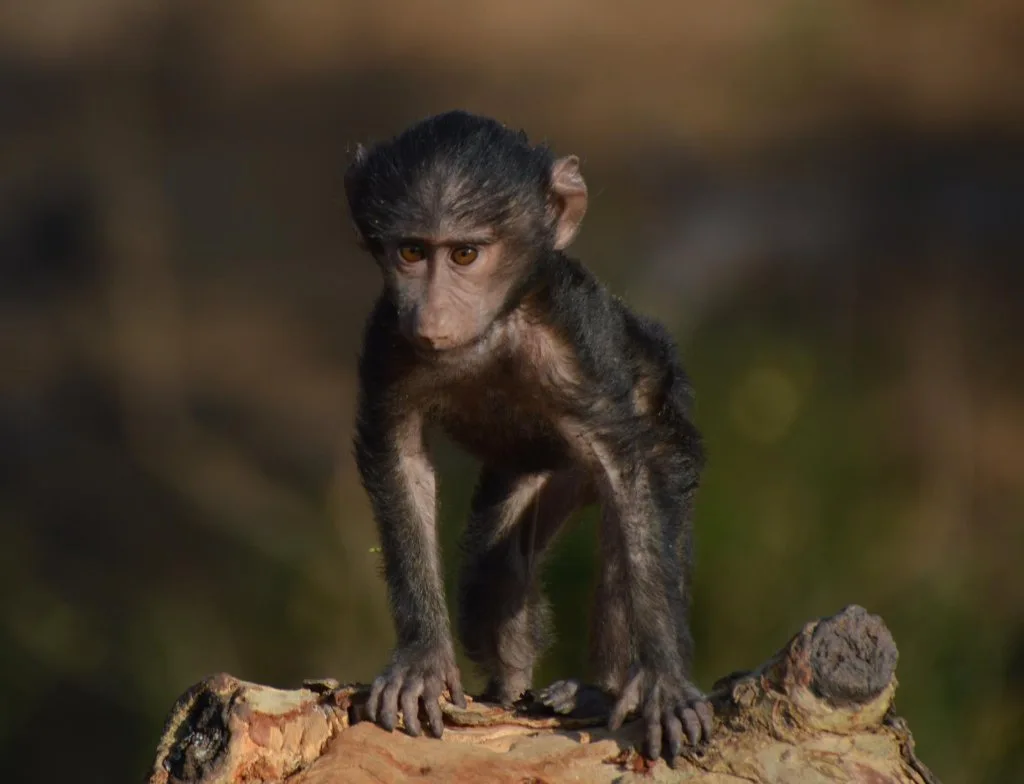
Begin
More than a viewpoint. A highland world.
Tell us your dates and we will build the crater floor and the highlands into one journey — and pair it with the rest of the north.
Continue your journey
There is more to discover.
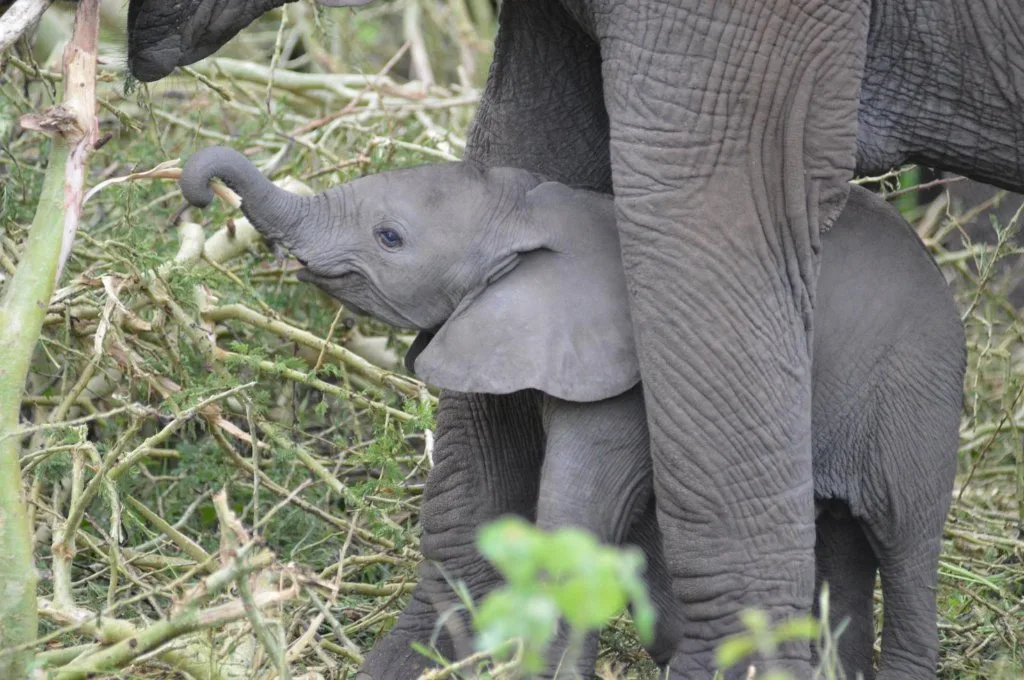 ↗
Tanzania
Serengeti
An ecosystem of nearly 15,000 square kilometres of protected plains, woodland and riverine forest — resident wildlife year-round, the movement of the herds, and a landscape that rewards time…
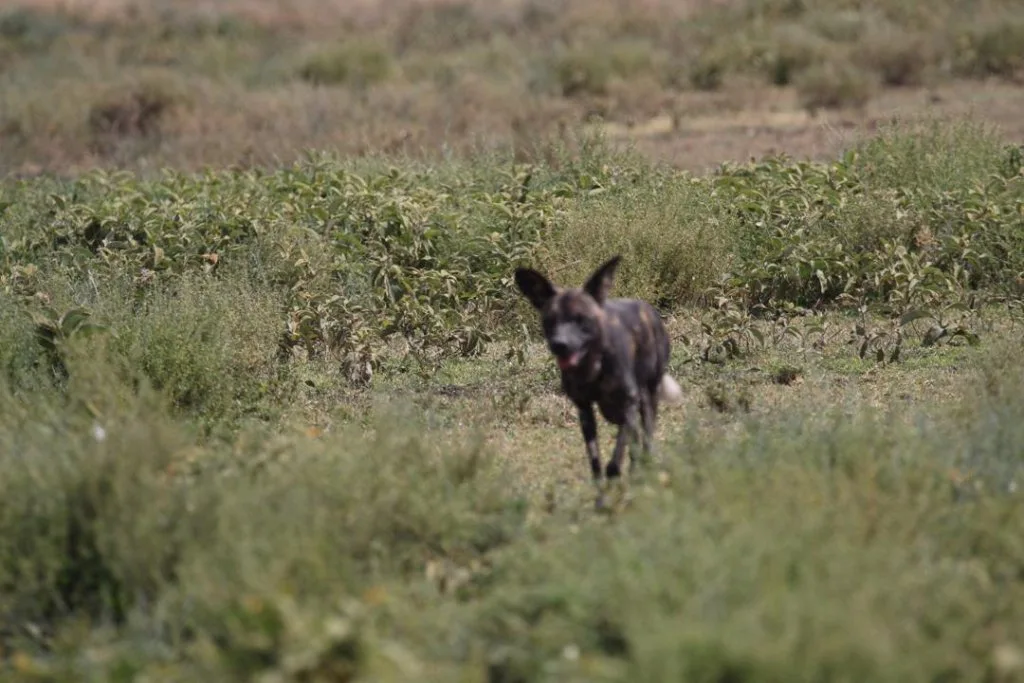 ↗
Tanzania
Tarangire
A park of ancient baobabs and a permanent river that draws wildlife in the dry months — Tarangire has a slower, more atmospheric character than the Serengeti, and some of the best elephant v…
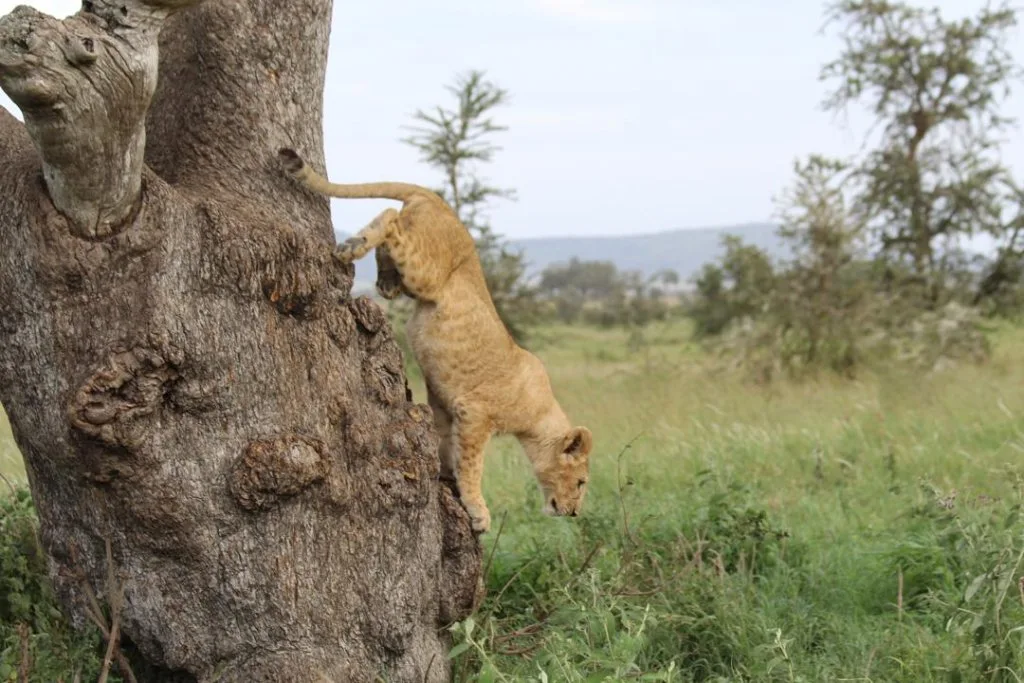 ↗
Tanzania
Lake Manyara
Set between the Rift Valley escarpment and a shallow soda lake, Manyara packs groundwater forest, woodland, floodplain and lake into a compact park — a shorter, more intimate safari that pai…