Kenya · Maasai Mara
The Maasai Mara, beyond the expected
The northern reach of the Serengeti–Mara ecosystem — rolling grassland, the Mara River, resident wildlife through every month and, in season, the movement of the herds. Read slowly, and the Mara gives back far more than a single crossing.
Reserve and conservancy
Two Mara experiences, and they are different.
The distinction shapes everything from vehicle numbers to what you can do.
The national reserve
The protected core, managed by Narok County. Outstanding wildlife — and the most vehicles, especially near a crossing.
Private conservancies
Community and private land bordering the reserve, where tourism funds protection and vehicle numbers are far lower.
What it changes
Conservancies allow walking, night drives and off-road positioning the reserve does not.
Who benefits
Conservancy fees route to the communities whose land holds the wildlife — a direct conservation incentive.
Resident wildlife
The Mara is full before the herds arrive.
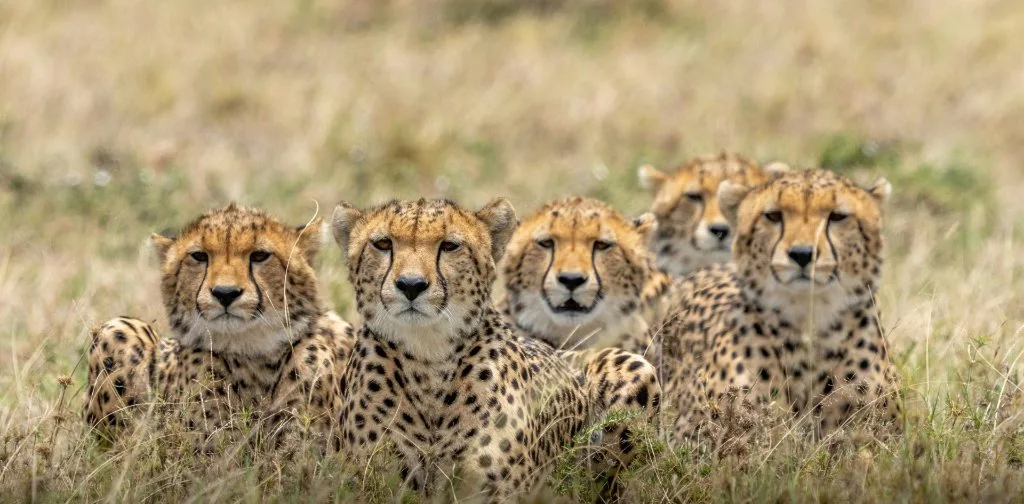
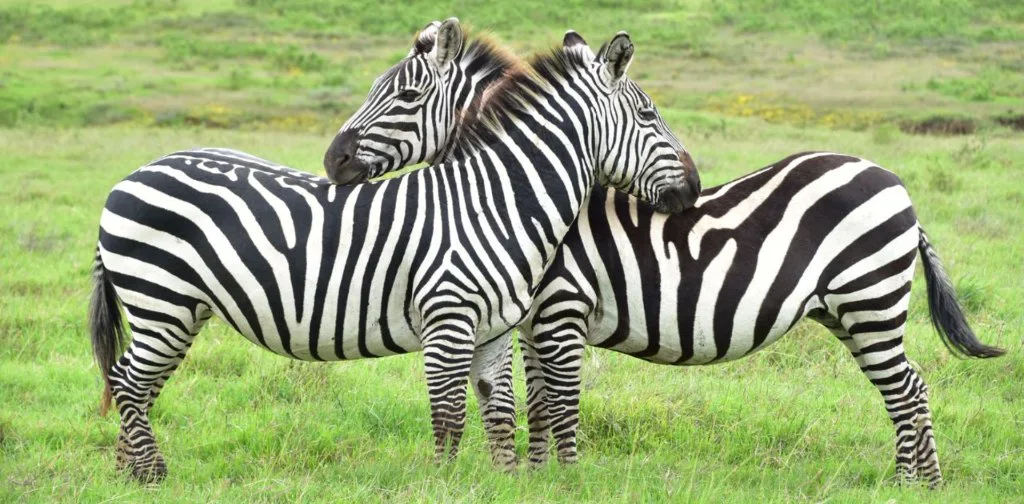
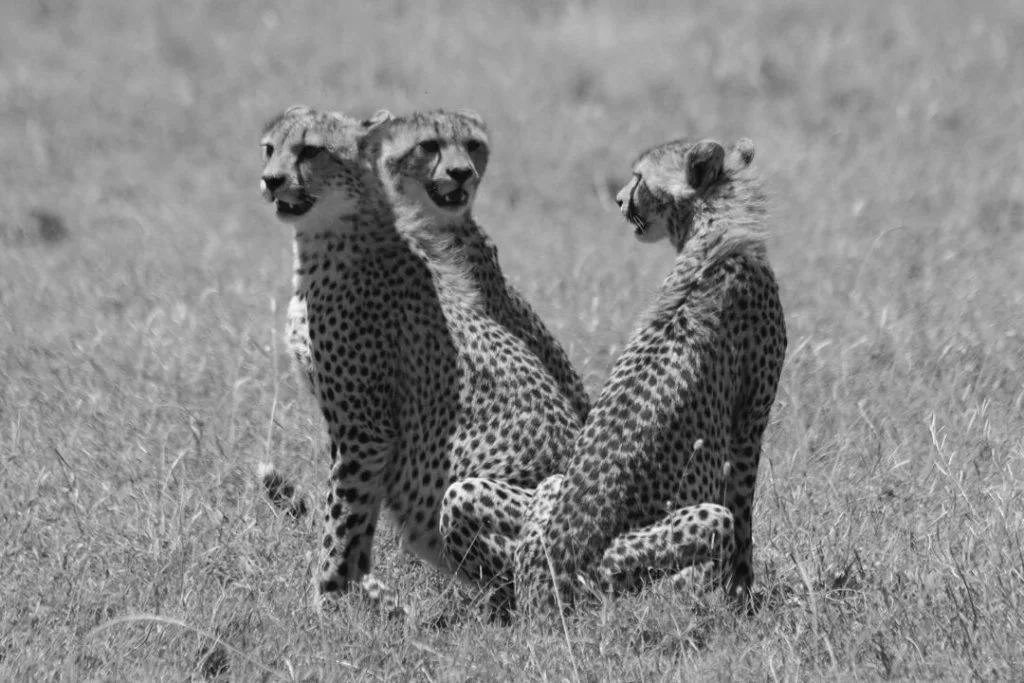
Lion prides hold territory across the plains; cheetahs work the open grass; leopards favour the riverine forest. Elephant, giraffe, topi and buffalo stay through every month. The migration is the headline, but it is not the whole story — the Mara holds whenever you come, and what changes is the character, not the abundance.
When to travel
The season decides which Mara you meet.
Indicative periods — rainfall and the herds shift them. We plan around current forecasts.
July to October
Migration months
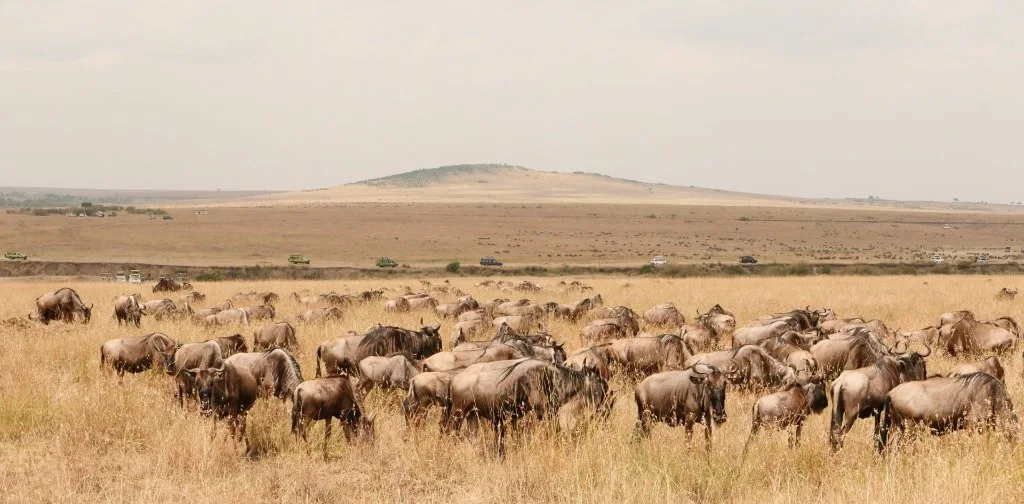
The herds may cross into the Mara — crossings are never scheduled and depend on the rains and the herds.
January to March
Dry and green
Warm, green and quieter; resident wildlife strong across the plains.
April to June
Long rains
The long rains green the land; fewer visitors and lower rates, with some camp closures.
Migration timing follows the herds and the rain — never a fixed schedule. We plan around current conditions and keep expectations honest; no crossing can be promised.
Vehicle density and responsible viewing
How the Mara is read matters as much as what you see.
The Mara can be busy. We position for quality of sighting, not quantity.
Crowd management
We favour conservancy stays and quieter crossings, avoiding the densest vehicle clusters.
Vehicle etiquette
Respectful distances, limited vehicles at a sighting, and no chasing the herds.
Honest expectations
We are clear about what is likely, what is possible, and what cannot be promised.
Guiding quality
East African guides who read the land, the light and the wildlife for your days.
Cultural context
The Maasai Mara is also Maasai land.
The Mara sits within Maasai pastoral land. Cultural visits, where offered, are arranged through community-run programmes and on the community’s terms — not as a performance. We are happy to include a respectful visit where it is welcomed, and equally happy to leave it out.
Plan with us
Tell us how the Mara fits your journey.
Reserve or conservancy, migration months or green season, a few nights or a week. Share your dates and what draws you, and we will shape a Mara journey around you.
Continue your journey
There is more to discover.
 ↗
Kenya
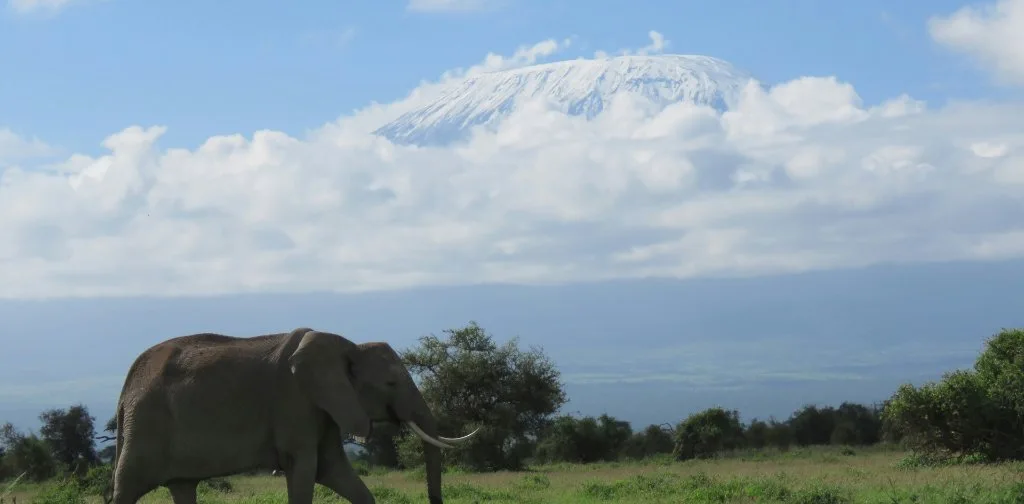
Amboseli
A small park of ancient lakebeds, swamp-fed green oases and open plains beneath Kilimanjaro — drawn together by water, shaped by light, and home to one of the longest-studied elephant popula…
 ↗
Kenya
Laikipia
A high plateau north of the equator where wildlife lives across a mosaic of conservancies, ranches and community-managed land — quieter, more personal, and built around activities the busier…
 ↗
Journeys
Great Migration
Follow one of nature's most extraordinary movements through the Serengeti and beyond — where millions of wildebeest, zebra and other grazers move in response to rain, grass and instinct, and…